
Car Rentals in Various Cities Across Ukraine: What Determines the Price and How to Choose the Best Deal

Car rental has long since ceased to be a service exclusively for tourists or business travelers. People rent cars for a few days while traveling, to visit another city, to meet relatives, for business trips, as a temporary replacement for their own car, or during a long-term stay in another
region. However, the price of the same category of car may vary from city to city in Ukraine.
The price depends on more than just the car model. It is also influenced by the city, the rental duration, the season, the car class, the insurance terms, the pickup and drop-off locations, and sometimes even the day of the week. Therefore, before booking, it’s a good idea to compare not only the total cost but also the rental terms.
Why Do Car Rental Rates Vary from City to City?
The first factor that affects price is demand. In large cities and tourist regions, the number of customers is usually higher, but the selection of cars is also significantly larger. Thanks to competition, you can find options in virtually any price range: from small city cars to
SUVs, minivans, and business-class cars.
The purpose of the trip is also very important. For example, in Kyiv, people often rent cars for business meetings, getting around the city, or as a temporary replacement for their own vehicle. In Lviv, car rentals are often part of a trip through Western Ukraine. In Odessa, demand can increase significantly during
the tourist season, and in Ivano-Frankivsk, a car is often needed by those planning a trip to the Carpathians.
Therefore, when comparing options, it's important to look at more than just the base price per day.
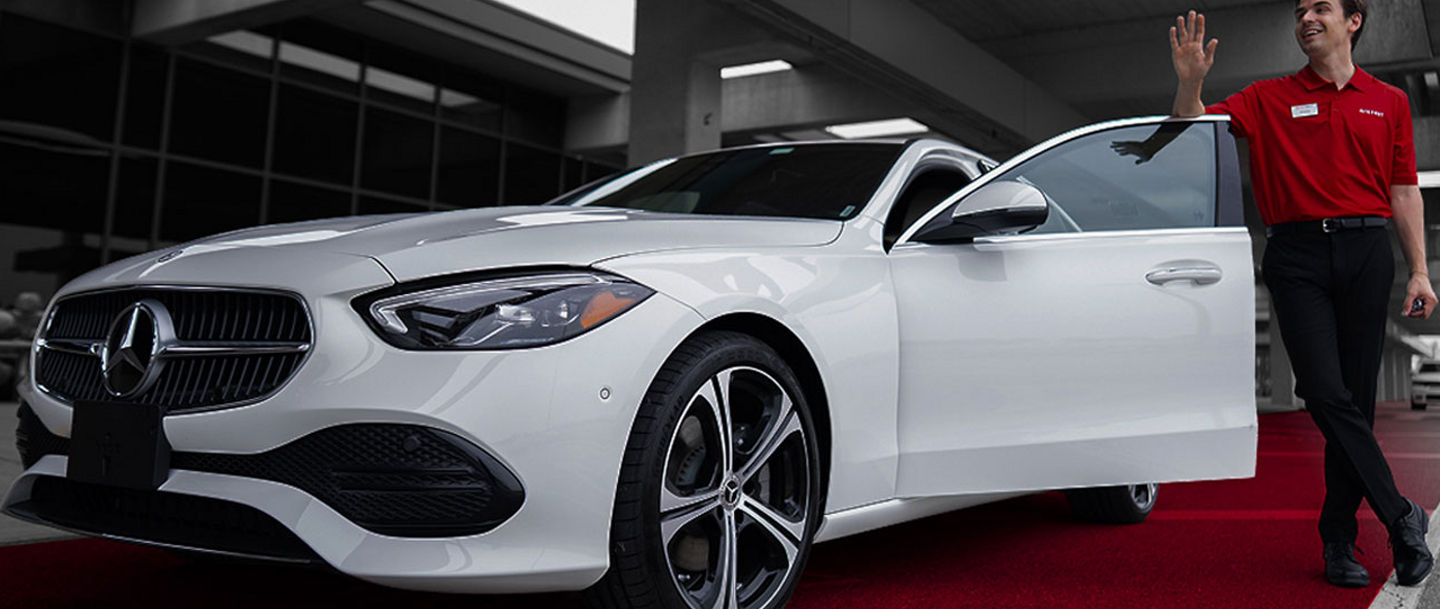
Kyiv: A wide selection and various categories of cars
There are a large number of car rental companies operating in the capital, so there is usually a fairly wide selection. You can find compact city cars, mid-size sedans, crossovers, electric vehicles, premium models, and vehicles for large groups.
If you're mainly driving around Kyiv, there's no need to overpay for a large SUV. A compact car is easier to park, and it usually gets better gas mileage.
It’s a completely different story if you need a car for trips outside the city or for several weeks. In that case, interior comfort, trunk space, transmission type, and fuel economy become more important.
With a long-term rental, the daily rate is often lower than when booking a car for just one or two days. Therefore, if you know your travel dates in advance, it’s more cost-effective to specify the entire rental period right away.

Lviv: A Car for the City and for Traveling Through Western Ukraine
Lviv has its own unique characteristics. People here often rent cars not only to get around the city itself, but also as a means of transportation for further travel.
Lviv is a convenient starting point for trips to Truskavets, Skhidnytsia, Morshyn, Ivano-Frankivsk, Transcarpathia, and the Carpathian Mountains. Therefore, your choice of car depends largely on your route.
If most of your trip will take place in Lviv and on major highways, a standard compact car or sedan will suffice. For a family trip with a lot of luggage, it’s better to consider a station wagon or crossover.
Before making a reservation, it is advisable to review the following in advance Car Rental Rates in Lviv, compare the available car classes, and see how the price changes depending on the rental duration. This helps you figure out your actual budget
test drives even before choosing a specific model.
It’s worth paying special attention to mileage limits. If you’re planning an active trip through Western Ukraine, the difference between a plan with a limited mileage allowance and one with a higher allowance can be significant.

Odessa: Seasonality Matters
Seasonality remains a particularly important factor for Odessa. During periods of high tourist demand, the number of available cars may decrease, and the most popular models are reserved in advance.
If your trip is scheduled for peak travel dates, it’s best not to wait until the last minute to choose a car. This is especially true for crossovers, cars with automatic transmissions, and seven-seater models.
For everyday travel around the city, you can choose an economy- or compact-class car. If you need a car for trips around the region or for a vacation with a large group, you should consider more spacious options.
When comparing prices, you should also consider the terms for picking up the car. Picking up the car at the rental company's office may be included in the price, whereas delivery to your address is sometimes charged separately.

Ivano-Frankivsk and Trips to the Carpathians
In Ivano-Frankivsk, renting a car often involves traveling to mountainous areas. That’s why it’s especially important to choose the right class of vehicle here.
A crossover isn't always necessary for a trip to the Carpathians. If the route follows major roads and the trip is planned for the warmer months, a regular passenger car is often sufficient.
However, in the winter, when traveling to small towns or carrying a lot of luggage, higher ground clearance can be an advantage.
Before making a reservation, it’s a good idea to plan out a rough route in advance. This will help you estimate the distance and fuel costs, and determine whether you really need a more expensive car.
What Factors Most Influence the Cost of Rent?
The vehicle class remains one of the key factors. Fuel-efficient city cars are usually less expensive than business-class sedans, large SUVs, or premium vehicles.
However, there are other factors as well.
Lease Term
In many cases, the longer a car is rented, the lower the daily rate. For example, the daily rate for a one-week rental may be more cost-effective than the rate for a single day.
Therefore, it is best to compare offers based on the total cost over the entire period, rather than just the price listed next to the car.
Season
Demand for cars fluctuates throughout the year. In popular tourist destinations, it may increase during holidays, the summer season, or winter trips to the Carpathians.
If you know the dates in advance, booking early gives you more options for choosing the right car.
Model and Trim Level
Even within the same class, car prices can vary. The price is influenced by the model year, transmission type, engine displacement, fuel type, and trim level.
Sometimes a more expensive car ends up being a better deal for a long trip because it’s more fuel-efficient. That’s why it’s important to consider not only the rental cost but also the ongoing expenses.
Car Pickup Location
Companies can offer to pick up a car at their office, near a train station, at the airport, or at an address specified by the customer.
Before placing an order, it’s a good idea to check whether vehicle delivery is included in the price. The same applies to returning the vehicle to a different city.
Insurance and Deposit
A low price listed on the website doesn't always mean the lowest total cost. You should check the security deposit amount, insurance terms, and the renter's liability in case of damage to the vehicle.
These terms may vary significantly from one company to another.
How to Choose the Best Option
When looking for a car, it's best to start not with a specific make, but with the purpose of your trip.
If two people need a car for getting around town, there’s not much point in renting a large crossover. A smaller car will be cheaper to rent, use less fuel, and be easier to park.
For families with children, interior and trunk space are more important. If you plan to transport several suitcases, a stroller, or sports equipment, opting for a smaller car could cause additional inconvenience.
For long trips, it’s worth paying attention to fuel consumption. Even a difference of just a few liters per 100 kilometers can have a noticeable impact on your overall budget on a long trip.
It's also helpful to compare several cars in the same class. A newer or more popular model isn't always the best choice for a specific trip.
What to Look for Before Signing a Contract
Before picking up the car, you should carefully review the rental terms and conditions.
You need to clarify the deposit amount, the allowed daily mileage, the vehicle return policy, the insurance terms, and the fuel level requirements.
When you pick up the car, it is a good idea to inspect the exterior and interior. If there are any scratches, chips, or other damage, they must be documented before the rental begins.
It's also a good idea to check the car's features and make sure the contract contains the correct information.
If your trip involves a long distance, check in advance for any restrictions on where you can drive the car. Some companies have specific terms and conditions for international travel or returning the car to a different city.
Should You Choose the Cheapest Car?
The lowest price doesn't always mean the best deal.
If a cheaper rate comes with a low mileage limit, a high deposit, or additional fees, the total cost may end up being higher than initially expected.
Therefore, it makes more sense to compare several factors at once: the total cost for the entire rental period, the security deposit, insurance, the allowed mileage, and the terms for picking up and returning the car.
It's also important to consider your specific route. One option might be suitable for a short trip around town, but for a week-long trip covering several hundred kilometers, the requirements for the car will be completely different.
How to Save Money on Car Rentals
The easiest way to cut costs is to plan your trip in advance. The wider the selection of cars, the easier it is to find a model in the right class without overpaying.
If you need a car for five or six days, it’s worth checking the weekly rental rate. Sometimes the longer-term rate can end up costing about the same.
Don't choose a larger car unless you really need to. For city driving, a compact model is often more convenient and economical.
For long trips, you need to take fuel consumption into account. And if you travel frequently between cities, you should pay special attention to the mileage limit.
It's best to compare offers based on the total amount, taking into account all required payments.
The cost of renting a car in Ukraine depends on the city, the season, the car class, the rental duration, and any additional terms. There is no one-size-fits-all option that would be the most cost-effective for every trip.
In Kyiv, a major advantage is the wide selection of cars; in Lviv, it’s worth considering possible trips throughout Western Ukraine; in Odesa, seasonal factors can be significant; and when renting a car in Ivano-Frankivsk, you should plan your route to the Carpathians in advance.
The main rule is simple: first, determine the purpose of your trip, the route, and the number of passengers, and then compare suitable cars and rental terms. This approach helps you avoid unnecessary expenses and choose a car that’s truly right for your specific trip.